





























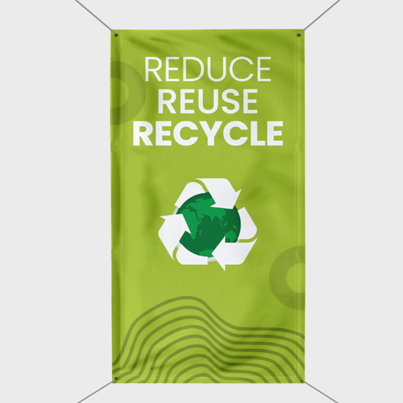



In an era of increasing environmental awareness, businesses and individuals alike are taking steps to reduce their carbon footprint. This trend extends to the realm of printing, where eco-friendly practices are gaining prominence. Eco-friendly printing isn’t just a trend; it’s a responsible approach to reduce the impact of print materials on the environment. In this article, we’ll explore the practices of green printing and discover ways to make your printing endeavors more environmentally friendly.
What are the Practices of Green Printing?
- Use of Recycled Paper: Opt for paper made from post-consumer recycled content. This reduces the demand for virgin paper production and minimizes deforestation.
- Vegetable-Based Inks: Choose inks derived from natural sources, such as soy or vegetable-based inks, which are less harmful to the environment compared to traditional petroleum-based inks.
- Minimalist Design: Embrace minimalist design principles to reduce ink usage and paper waste. Less ink and clutter not only save resources but also create a cleaner aesthetic.
- Energy-Efficient Printing: Utilize energy-efficient printing technologies that consume less power and produce fewer emissions during the printing process.
What is the Most Eco-Friendly Way to Print?
When it comes to the most eco-friendly way to print, digital printing often takes the lead. Unlike traditional offset printing, digital printing doesn’t require plates, which reduces waste and eliminates the need for harmful chemicals used in plate creation. Digital printing also offers on-demand printing, minimizing the need for excessive print runs that result in unused and discarded materials.
Additionally, advancements in digital printing technology have led to the use of environmentally friendly inks that produce minimal volatile organic compounds (VOCs), reducing air pollution.
How Can We Reduce the Environmental Impact of Printing?
- Paper Choices: Select eco-friendly paper options, such as FSC-certified or chlorine-free paper. These choices promote responsible forestry and reduce harmful chemical use.
- Recycling Programs: Implement recycling programs for printed materials within your business. Collect discarded prints for recycling rather than sending them to landfills.
- Double-Sided Printing: Make double-sided printing the norm to reduce paper usage. This practice not only conserves paper but also lowers costs.
How Can I Make My Printer More Environmentally Friendly?
- Energy-Saving Features: Configure your printer to enter sleep mode when not in use. Newer printers often come with energy-saving features that help conserve power.
- Choose the Right Printer: When purchasing a new printer, consider its energy efficiency and whether it supports eco-friendly practices like double-sided printing.
- Cartridge Recycling: Many printer manufacturers offer cartridge recycling programs. Ensure you recycle empty ink and toner cartridges responsibly.
Conclusion
Eco-friendly printing practices go beyond aesthetics; they reflect a commitment to preserving the environment for future generations. By adopting practices like using recycled paper, vegetable-based inks, and energy-efficient technologies, you’re contributing to a more sustainable world. At PrintCrowd, we’re dedicated to eco-conscious printing:
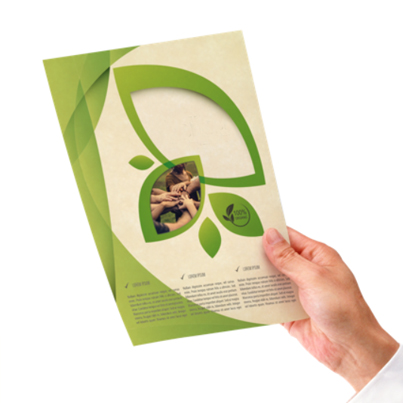
- Eco Flyers: Discover eco-friendly flyer options
- Eco Roller Banners
- Sustainable T-Shirt Printing: Explore sustainable t-shirt choices
Together, we can make a positive impact on the environment while still achieving your printing needs.