



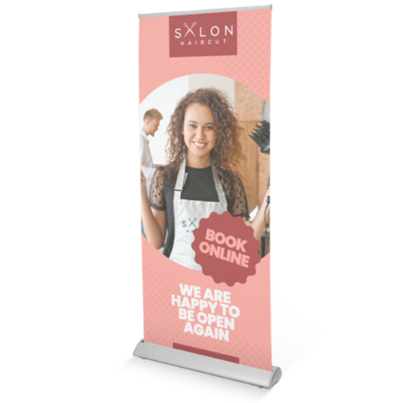









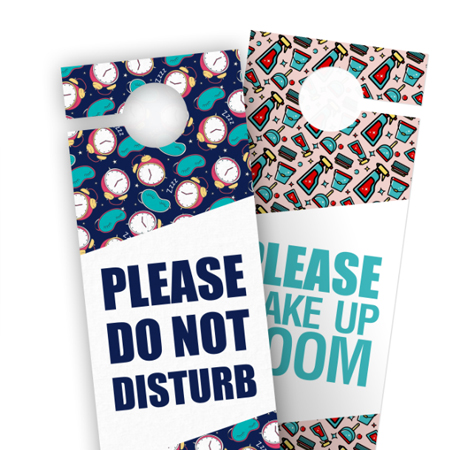













In today’s competitive market, standing out is more important than ever. Custom signs are not just markers indicating your business’s location; they are powerful tools that can significantly impact your brand’s visibility and customer engagement. In this comprehensive guide, we’ll explore the essential steps and strategies to design custom signs that truly represent your business and attract more customers.
Understanding the Power of Customisation
Customisation allows you to tailor every aspect of your signage to fit your brand perfectly. From the colours and fonts to the material and size, every choice communicates something about your business. The goal is to create a sign that not only captures attention but also conveys the essence of your brand at a glance.
Defining Your Sign’s Purpose
Before diving into design elements, it’s crucial to define the primary goal of your custom sign. Do you want to attract more foot traffic? Are you looking to promote a specific product or service? Or is the sign meant to reinforce your brand identity? Understanding the purpose will guide your design choices, ensuring your sign achieves its intended effect.
Design Elements: Making a Lasting Impression
Colour and Contrast – Colour is a vital part of sign design, influencing readability and emotion. Choose colours that align with your brand but also ensure there is enough contrast between the background and text for clarity.
Font and Text – The font should be readable from a distance. Keep the message concise and straightforward, making sure it can be understood quickly by passersby.
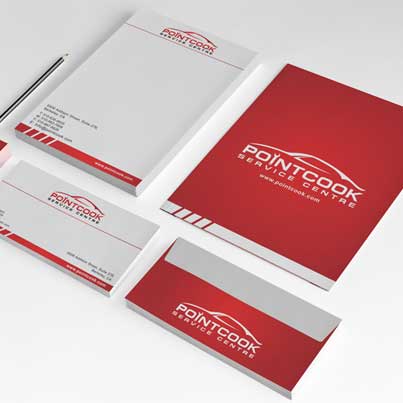
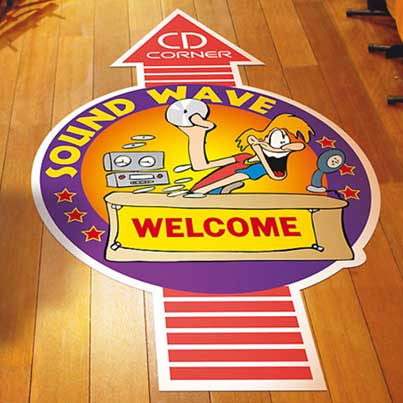
Imagery and Branding – Images or logos can make your sign more memorable. Ensure any imagery is high quality and reflects your brand accurately.
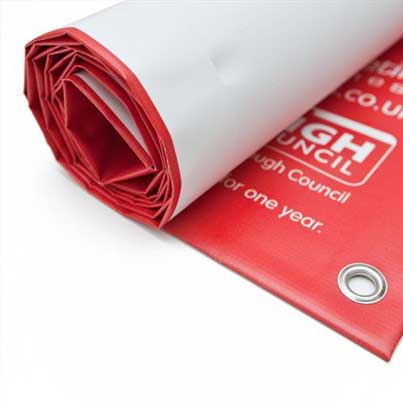
Material Choices: Durability Meets Style – The material of your sign should reflect its intended use and location. Outdoor signs require durable materials like metal or vinyl to withstand the elements, while indoor signs can utilise a wider range of materials, including acrylic or foam board, allowing for more stylistic flexibility.
Size and Placement: Visibility is Key
The size of your sign should correspond to its viewing distance. Larger signs are necessary for visibility from a highway, whereas smaller signs may suffice for pedestrian traffic. Placement is equally important; your sign should be positioned where it can easily catch the eye of your target audience.
Local Regulations and Compliance
Before finalising your sign design, research local zoning laws and regulations regarding signage. Compliance is crucial to avoid potential fines or the need to remove or alter your sign after installation.
Professional Fabrication and Installation
While designing your sign might be within your wheelhouse, manufacturing and installing it often requires professional skills and equipment. Working with a professional sign company can ensure that your design is accurately brought to life and securely installed, providing the best return on your investment.
Leveraging Custom Signs for Marketing
Once your sign is up, it becomes a silent salesperson for your business, working 24/7 to attract and welcome customers. It’s an integral part of your marketing strategy, often serving as the first point of contact between your business and potential customers. Therefore, investing in a high-quality, well-designed custom sign is investing in your brand’s visibility and success.
Conclusion
Designing custom signs for your business involves careful consideration of your brand’s goals, design elements, material choices, size, placement, and local regulations. By focusing on these areas, you can create effective signage that not only stands out but also positively impacts your brand and business. Remember, your sign is often the first impression customers have of your business, making its design and execution paramount. Investing time and resources into creating the perfect custom sign can lead to increased visibility, engagement, and ultimately, business growth.